Copperas Cove · Killeen · Harker Heights · Nolanville · Gatesville · Lampasas
Foundation Repair Across Central Texas
Slab piering, pier-and-beam leveling, concrete leveling, drainage correction, and independent foundation evaluations — one request, a clear next step, no obligation.
Free estimates · Residential and commercial · Urgent structural concerns are prioritized
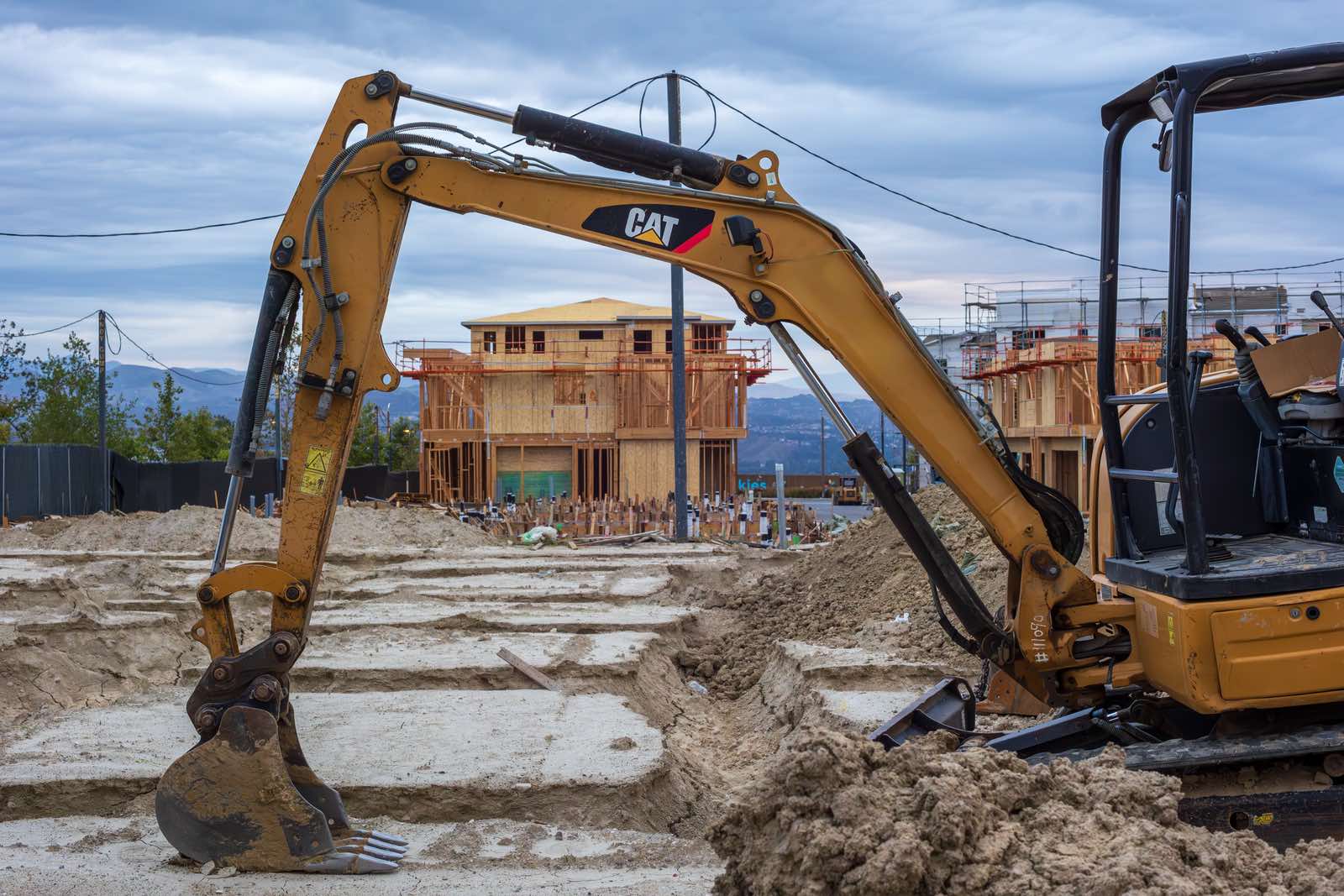
A straightforward way to deal with a foundation problem
No scare tactics, no invented credentials — just a clear path from 'something's cracking' to a real assessment and a scoped, priced plan.
- One request, a clear next step
- Describe the problem once — by form or phone — and get a straightforward path to an assessment and pricing. No pressure, no scare tactics.
- Local to Central Texas geology
- Copperas Cove and Killeen sit west of the Blackland Prairie, on limestone and marl with shallow bedrock. That behaves differently than deep prairie clay, and it changes what a repair should look like.
- Engineering comes before selling
- In Texas, only a licensed professional engineer may determine the cause of foundation movement. This site will always point you toward that, rather than around it.
- Verify before you hire
- Texas doesn't license foundation contractors as a trade, so the burden falls on you. You'll be told exactly what to ask for — registration, insurance, warranty terms in writing.
Foundation services, from evaluation to underpinning
Pick the service that fits, or just describe what you're seeing and let the assessment sort out the rest — most homeowners don't know which method they need, and they shouldn't have to.
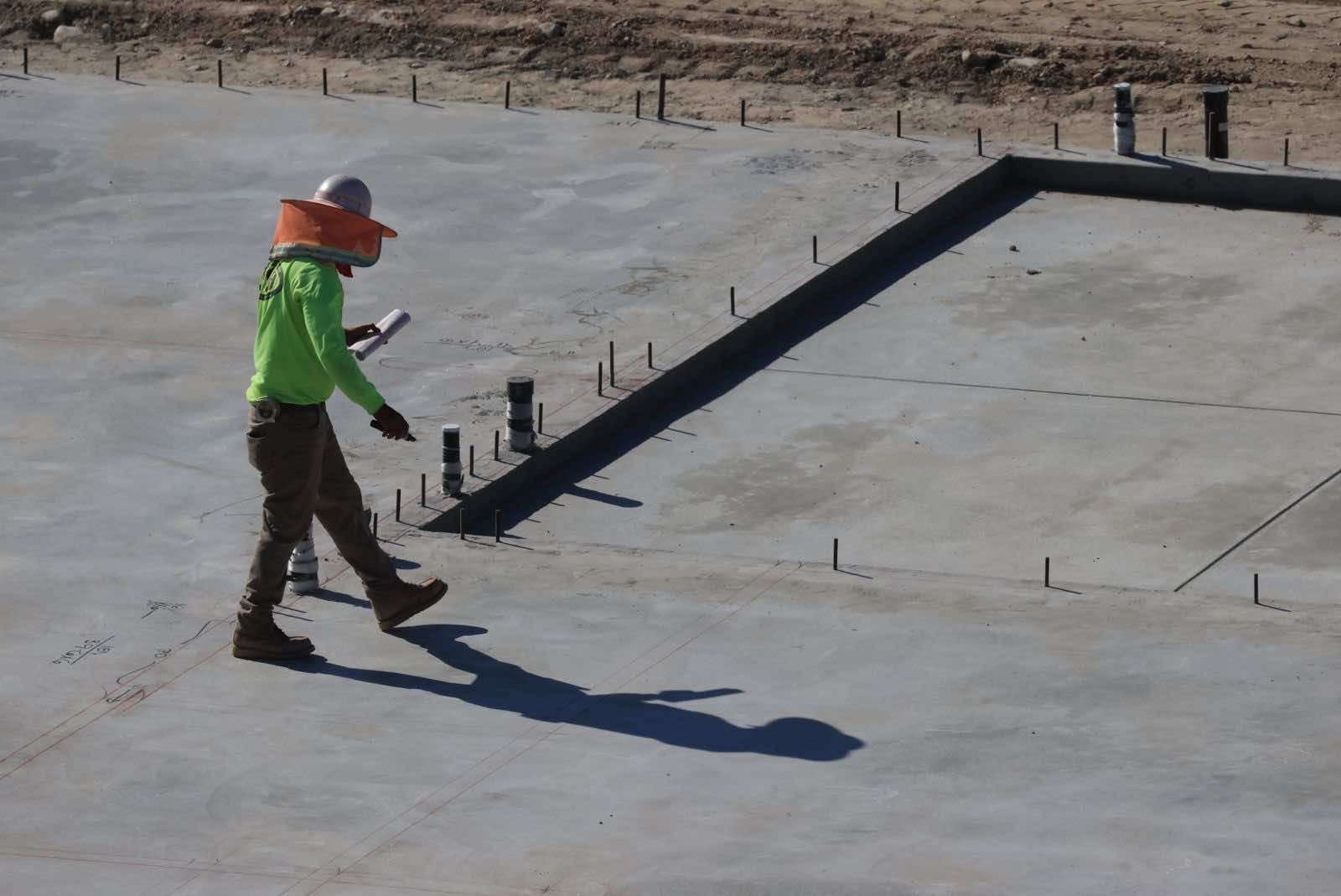
Slab Foundation Repair
Underpinning a settling slab-on-grade foundation with pressed concrete pilings — the most common foundation repair in Texas.
Learn more
Steel Piers & Deep Underpinning
Hydraulically driven steel pipe piers for heavier structures, deep fill, and sites where shallow refusal isn't reliable.
Learn more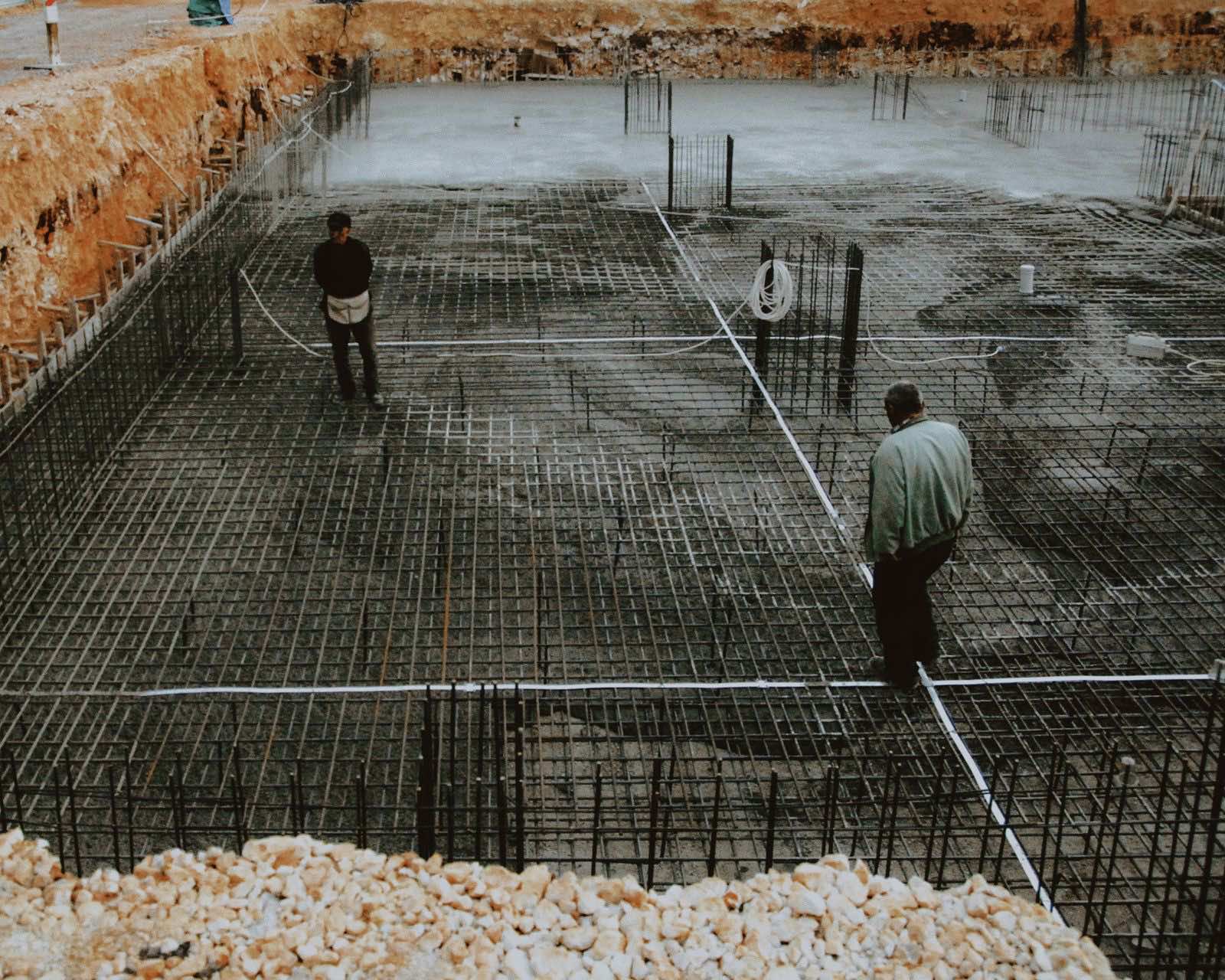
Drilled Bell-Bottom Piers
Poured-in-place reinforced piers with a flared base — a Texas-characteristic method that resists clay uplift as well as settlement.
Learn more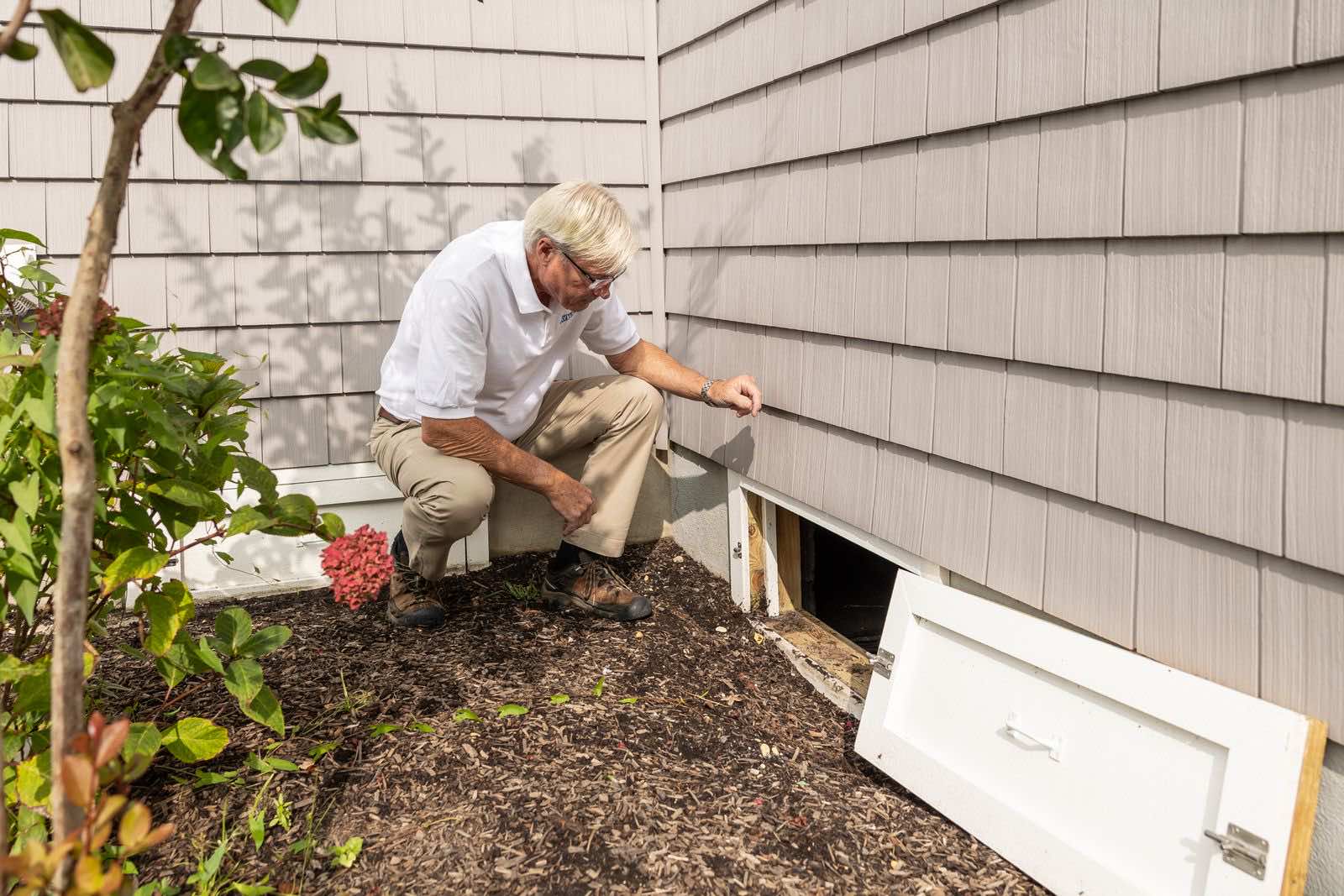
Pier & Beam Repair & Floor Leveling
Shimming, sill and joist repair, added supports, and crawl space moisture control for older raised-foundation homes.
Learn more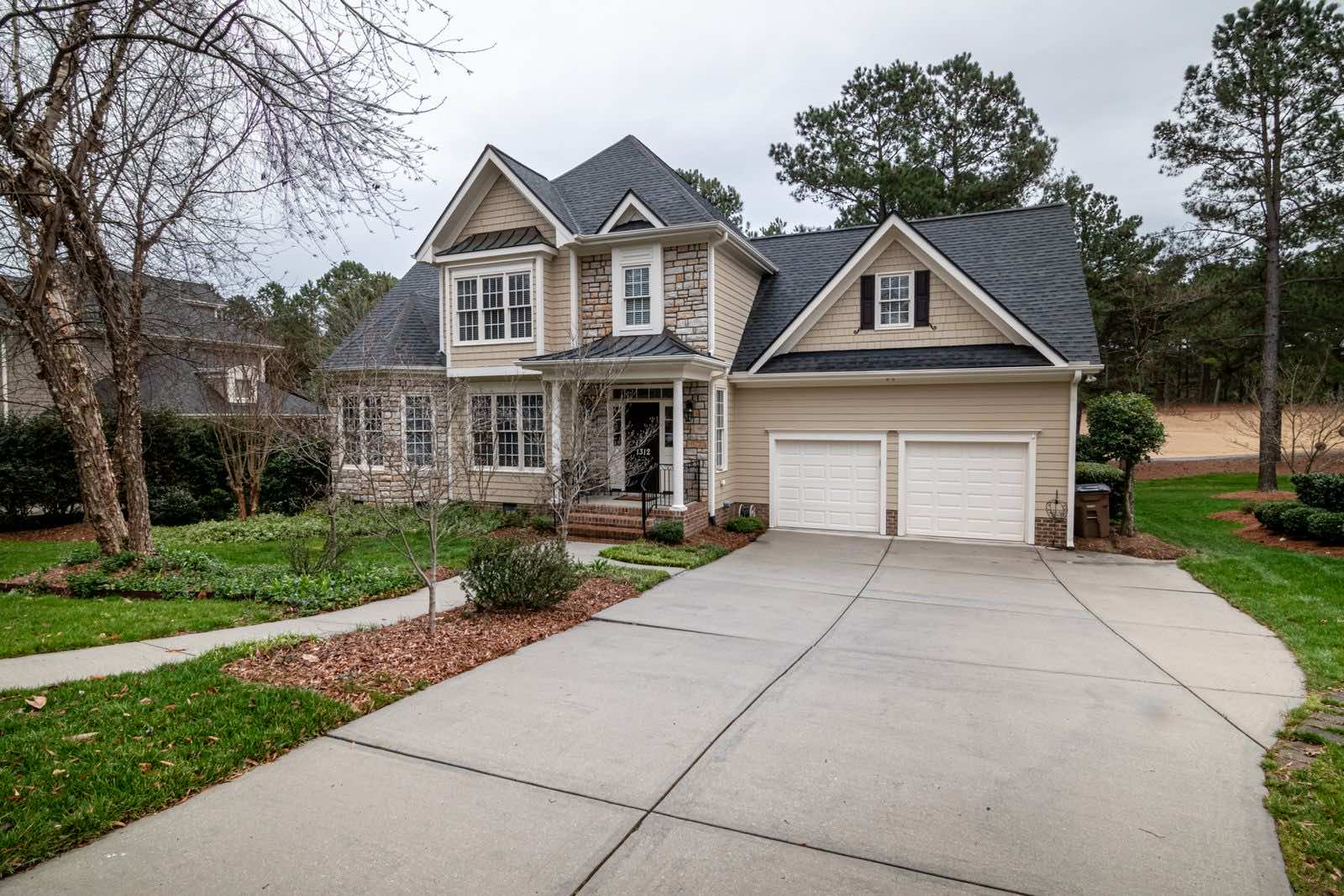
Concrete Leveling & Void Filling
Mudjacking and polyurethane foam injection to raise sunken driveways, patios, walkways, and garage floors — and to fill voids under a slab.
Learn more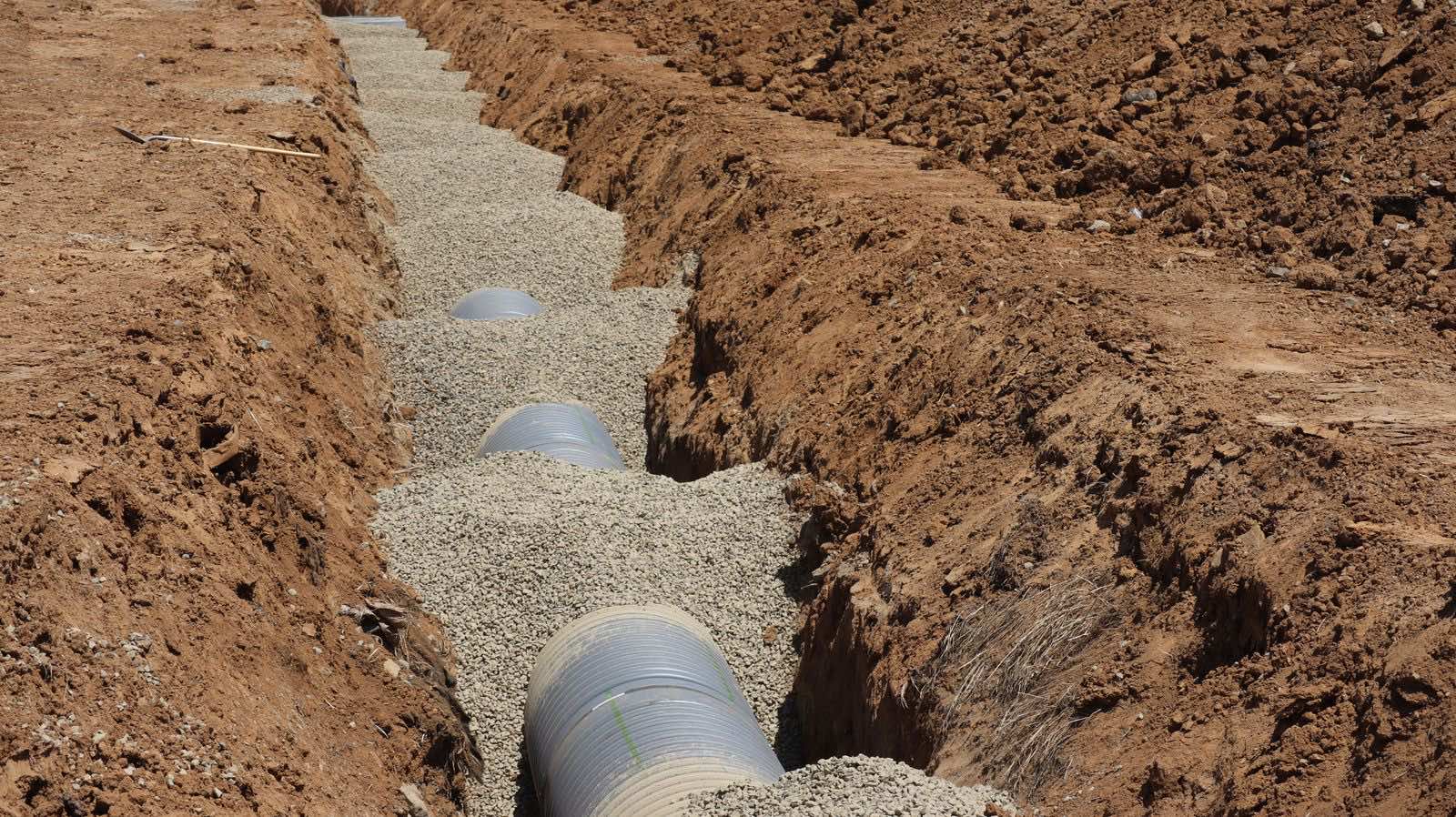
Foundation Drainage & Grading
French drains, surface grading, swales, and gutter corrections that move water away from the foundation before it causes movement.
Learn more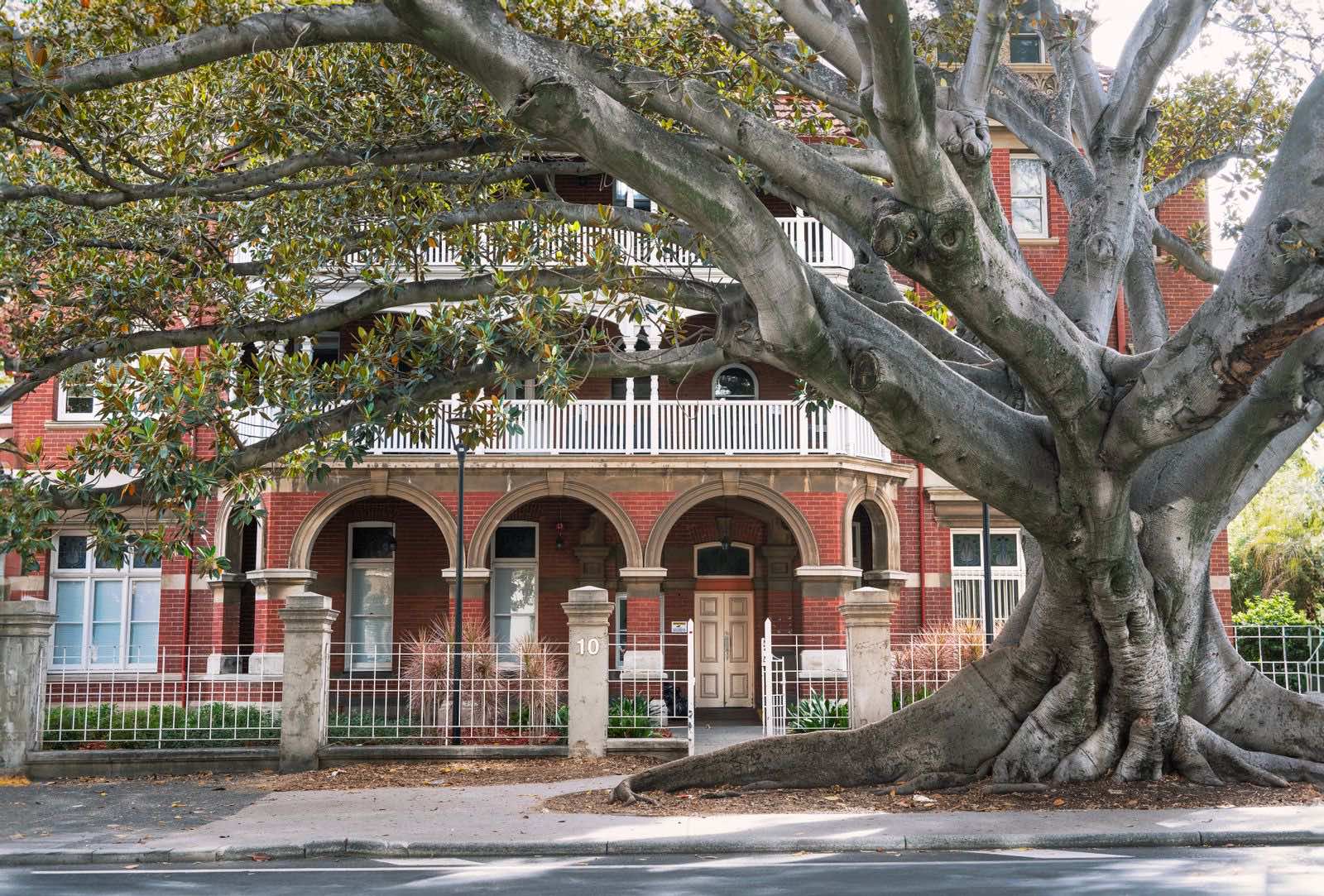
Root Barriers & Foundation Watering
Managing the two biggest controllable influences on soil moisture: large trees drawing water out, and irrigation putting it back unevenly.
Learn more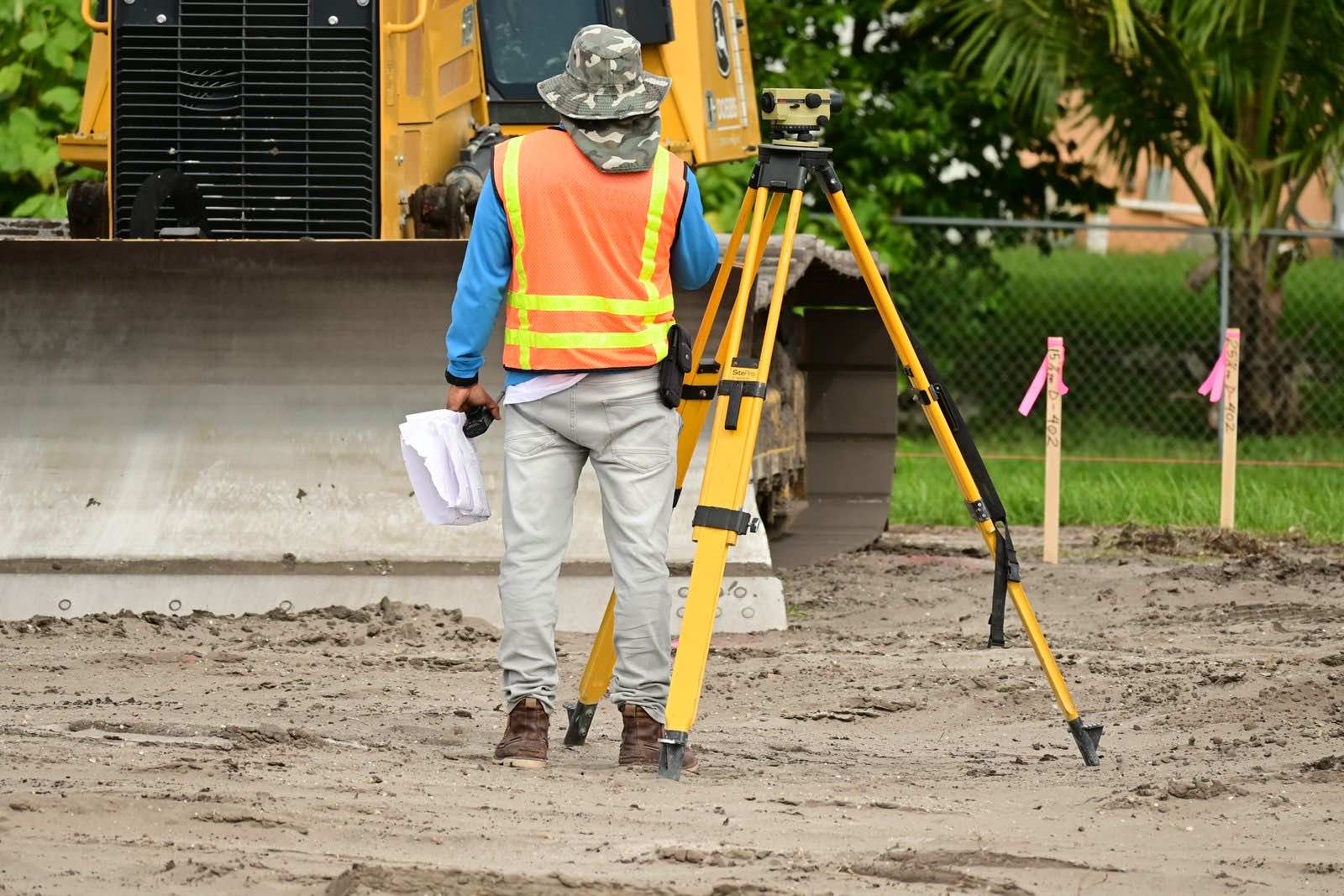
Foundation Evaluation & Elevation Survey
An independent look at what's actually happening — relative floor elevations, distress mapping, and a written report you can bid against.
Learn more
Urgent Structural & Slab Leak Response
Fast triage for sudden-onset problems — a suspected slab leak, a tilting masonry wall, or a floor that dropped in days rather than years.
Learn moreWhy homeowners start here
Foundation repair is expensive, hard to evaluate, and sold by people with an obvious interest in the answer. The point of this site is to make the first step simple and the process transparent.
- One clear request instead of chasing multiple companies for callbacks
- Photos and details up front, so the assessment starts informed
- Written scope before work — method, pier count, and what's restored afterward
- Straight guidance on when an independent engineer is worth paying for
- Local permit requirements flagged up front, not discovered later
Serving Central Texas
Requests are accepted across Coryell, Bell, and Lampasas Counties:
Just outside these cities? Submit a request anyway — nearby jobs are often workable.
How estimates work
Three steps, no obligation at any point.
Tell us what you're seeing
Use the estimate form or call. Photos of the cracking, which side of the house it's on, and when you first noticed it make everything faster.
Review the request and arrange an assessment
Your request is reviewed and an on-site look is scheduled. Foundation work genuinely cannot be scoped from a photo alone.
Receive findings and pricing
You get a scope and pricing from the service provider, plus a straight answer about whether an independent engineer's evaluation is worth getting first. You decide either way.
Urgent structural concerns are prioritized
Suspected slab leak? A wall that’s started to lean?
Sudden-onset problems — a suspected slab leak, a brick wall pulling away, a floor that dropped over a matter of days — are routed for the fastest available assessment. Response times depend on provider availability.
Local pages for every service area
Each city page covers what foundation work actually looks like there — the local housing stock, the permit situation, common problems, and how estimates work.
Copperas Cove, CA
Slab foundation repair, piering, drainage correction, and foundation evaluations in Copperas Cove, TX. Request a free estimate.
Foundation repair in Copperas Cove →Killeen, CA
Foundation repair, slab piering, and engineer-permitted work in Killeen, TX. Killeen requires a foundation repair permit — here's what that means.
Foundation repair in Killeen →Harker Heights, CA
Foundation repair, drainage correction, and retaining wall work for hillside lots in Harker Heights, TX. Request a free estimate.
Foundation repair in Harker Heights →Nolanville, CA
Foundation evaluation and repair for newer homes in Nolanville, TX — builder warranty questions, pad construction, and drainage. Free estimates.
Foundation repair in Nolanville →Gatesville, CA
Pier-and-beam repair, floor leveling, crawl space work, and slab repair for older homes in Gatesville, TX. Request a free estimate.
Foundation repair in Gatesville →Lampasas, CA
Pier-and-beam leveling, crawl space repair, and foundation evaluation for historic homes in Lampasas, TX. Request a free estimate.
Foundation repair in Lampasas →Common foundation problems around here
If one of these sounds familiar, the linked page explains what's involved — or skip straight to an estimate request.
Stair-step cracks in the brick
Zigzag cracking following the mortar joints is the classic signature of one part of a foundation moving relative to another.
Doors that stopped latching
When a door frame racks out of square, the door binds. A door directly above a wall crack is two symptoms of one problem, not a coincidence.
Floors that slope or bounce
A slope over about an eighth of an inch per foot is usually noticeable underfoot — and in older raised homes it often means the wood below needs attention.
Water standing at the foundation
Uneven soil moisture is what moves foundations here. Grading and drainage are the step engineering guidance puts ahead of piers.
A sunken driveway or patio
Settled flatwork is usually still sound concrete over failed support — lifting it costs far less than tearing it out and repouring.
A big tree beside the slab
A mature tree can pull well over a hundred gallons a day from the soil beside your foundation — and removing it brings its own complications.
A suspected slab leak
An unexplained water bill or a warm spot on the floor is worth acting on quickly — and is the scenario most likely to be covered by insurance.
A repair quote you don't trust
A pier count with no elevation data behind it isn't a diagnosis. An independent evaluation costs a fraction of the repair.
Frequently asked questions
How do estimates work?
Submit the estimate form describing what you're seeing — with photos if you have them — or call. The request is reviewed, an on-site assessment is arranged, and you receive findings and pricing from the service provider before anything is scheduled. Foundation work genuinely can't be scoped from photos alone, so expect a site visit.
Does an estimate cost anything?
No — requesting an estimate through this site is free and commits you to nothing. Worth distinguishing, though: a contractor's free estimate is a price for work. An engineer's evaluation, which typically runs $500–$1,500, is a diagnosis. They're different products, and for a five-figure repair the second one is usually worth buying.
What areas do you serve?
Copperas Cove, Killeen, Harker Heights, Nolanville, Gatesville, and Lampasas — across Coryell, Bell, and Lampasas Counties. If you're just outside these cities, submit the request anyway; nearby work is often possible.
Are foundation repair contractors licensed in Texas?
No. Texas does not issue a state license for foundation repair as a trade — there is no such license to hold, and legislative attempts to create one have failed. What does exist is city-level contractor registration, general liability insurance, and the license held by the professional engineer who designs or accepts the repair. Ask for all three, and be skeptical of anyone advertising a 'licensed foundation contractor' credential that doesn't exist.
Do I need a structural engineer?
Legally, usually not — but under the Texas Engineering Practice Act, only a licensed Texas professional engineer may analyze the cause of foundation distress or recommend an engineering remedy. A home inspector may report visible symptoms but not determine cause, and a repair contractor may do neither. An independent engineer's report gives you a real diagnosis plus a defined scope that multiple contractors can bid against. In Killeen, the permit process requires an engineer regardless.
Will my homeowners insurance cover foundation repair?
Usually not for soil movement. Standard Texas policies exclude damage from earth movement, settling, shrinkage, and expansion, because insurers treat expansive-clay movement as gradual and foreseeable rather than sudden and accidental. The significant exception is a sudden plumbing failure under the slab, which is typically covered as a water event. Check your declarations page for a foundation endorsement before assuming you have no coverage.
Does foundation repair hurt my home's resale value?
Unrepaired problems hurt considerably more than repaired ones. Texas Property Code §5.008 requires a seller's disclosure notice, and the standard forms ask about previous structural or foundation repairs — so you must disclose it either way. Given that, the real choice is whether you disclose a fixed problem backed by an engineer's letter, permit records, and a transferable warranty, or an unfixed one.
Is a 'lifetime transferable warranty' real?
It's a real contract, but read what it actually covers. Typically it covers only the piers installed and only in the area worked — if a different section settles later, that's new work at full price. Coverage often triggers only past a stated movement threshold, transfer usually requires the buyer to request assignment within a short window and pay a fee, and terms commonly void on additions, major plumbing leaks, or a pool built too close. It's also worth only as much as the company's continued existence. Read the document, not the headline.
Ready to find out what's actually going on?
Describe what you're seeing, attach photos if you have them, and get a clear next step — with no obligation.